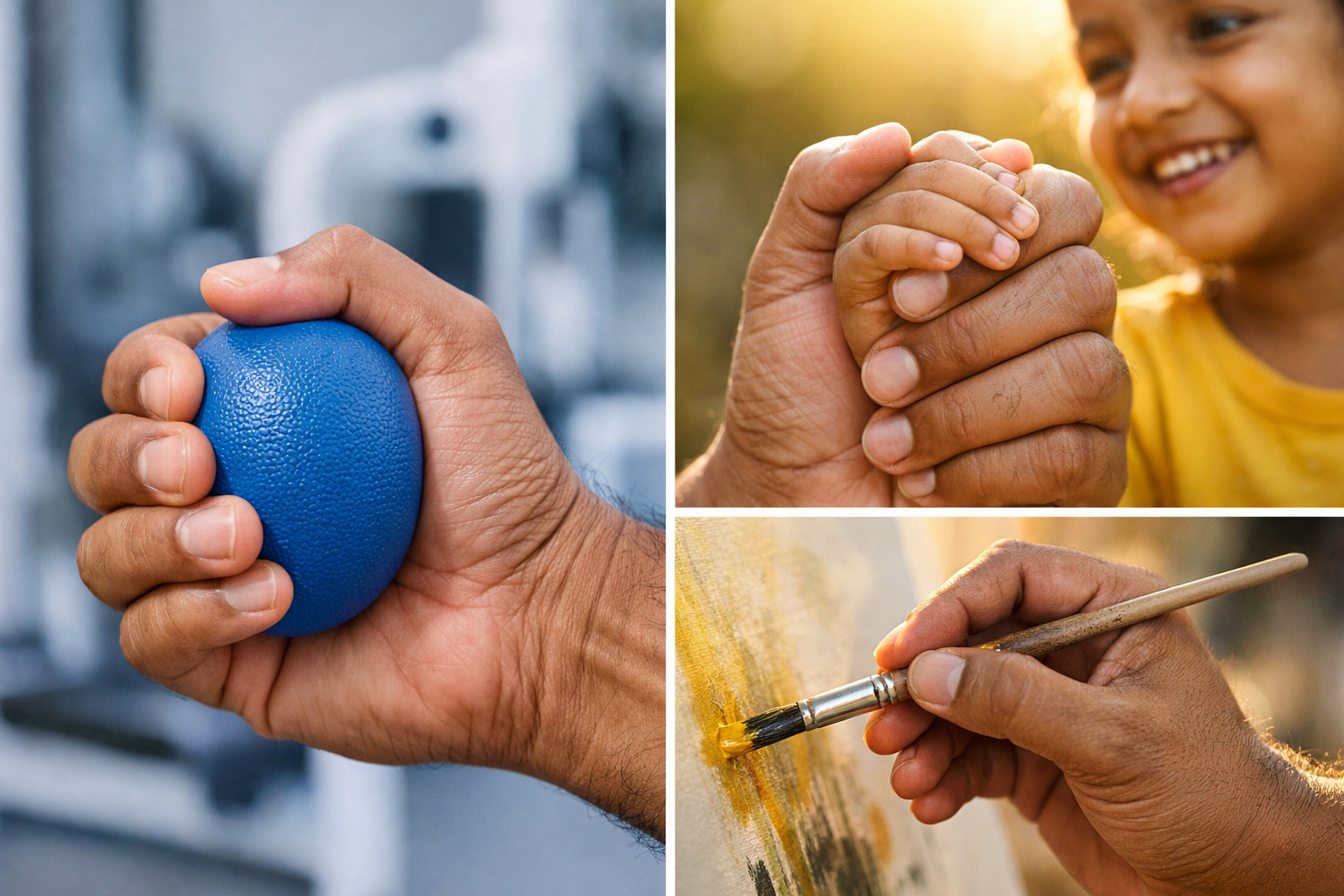
Occupational therapy specializes in these small details. While many medical fields focus on the diagnosis or the physical structure of the body, occupational therapists focus on the "doing." They look at the tiny gaps between a patient's current ability and their desire to participate in their own life. Often, it is a minor adjustment or a small functional goal that provides the breakthrough a patient needs to feel human again.
The Power of Specificity
Recovery can feel like an overwhelming mountain to climb. If a patient is told they need to "get stronger," the goal feels abstract and distant. If they are told they will work toward holding a cup or using a phone, the mountain becomes a series of manageable steps.
This specificity is a clinical tool. By identifying exactly which small action is missing, a therapist can design a path that leads to immediate, tangible success. This focus on the small things is what sets the field apart. It is a shift from treating a patient to empowering an individual. When a person regains the ability to manage even one small part of their day, their confidence shifts. They stop seeing themselves as a collection of symptoms and start seeing themselves as a person with agency.
Small Angles, Big Wins: How a Wrist Splint Changed Everything
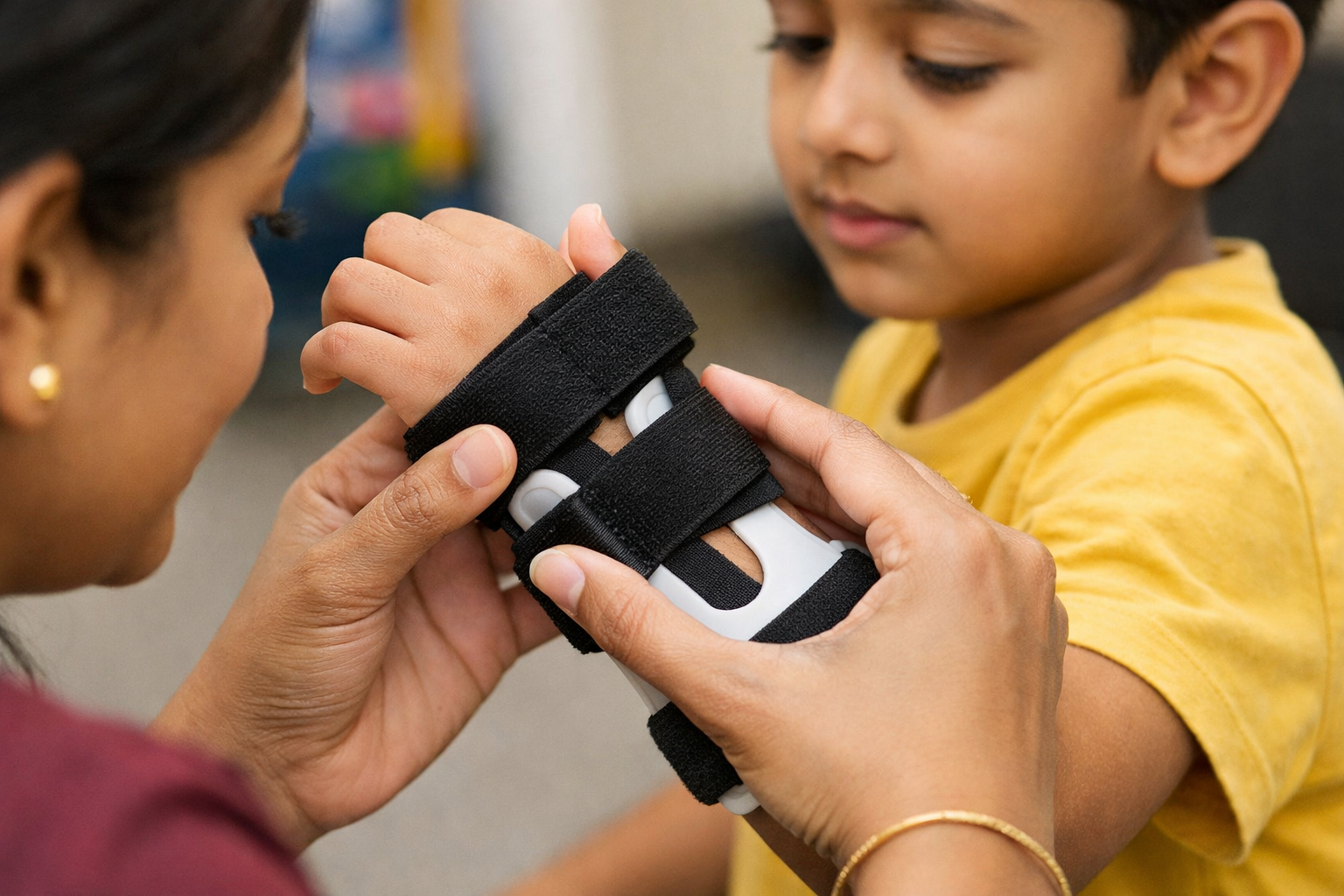
A powerful example of this philosophy can be seen in a demonstration by Dr. Shovan Saha involving an 11 year old boy who had struggled with a neurological condition from birth. For over a decade, the boy had been unable to eat independently. His left hand and wrist hung in a way that made it impossible to grip a utensil or bring it to his mouth. For his mother, who had spent eleven years feeding him every single meal, the "big treatment" she hoped for was simply to see her son eat on his own.
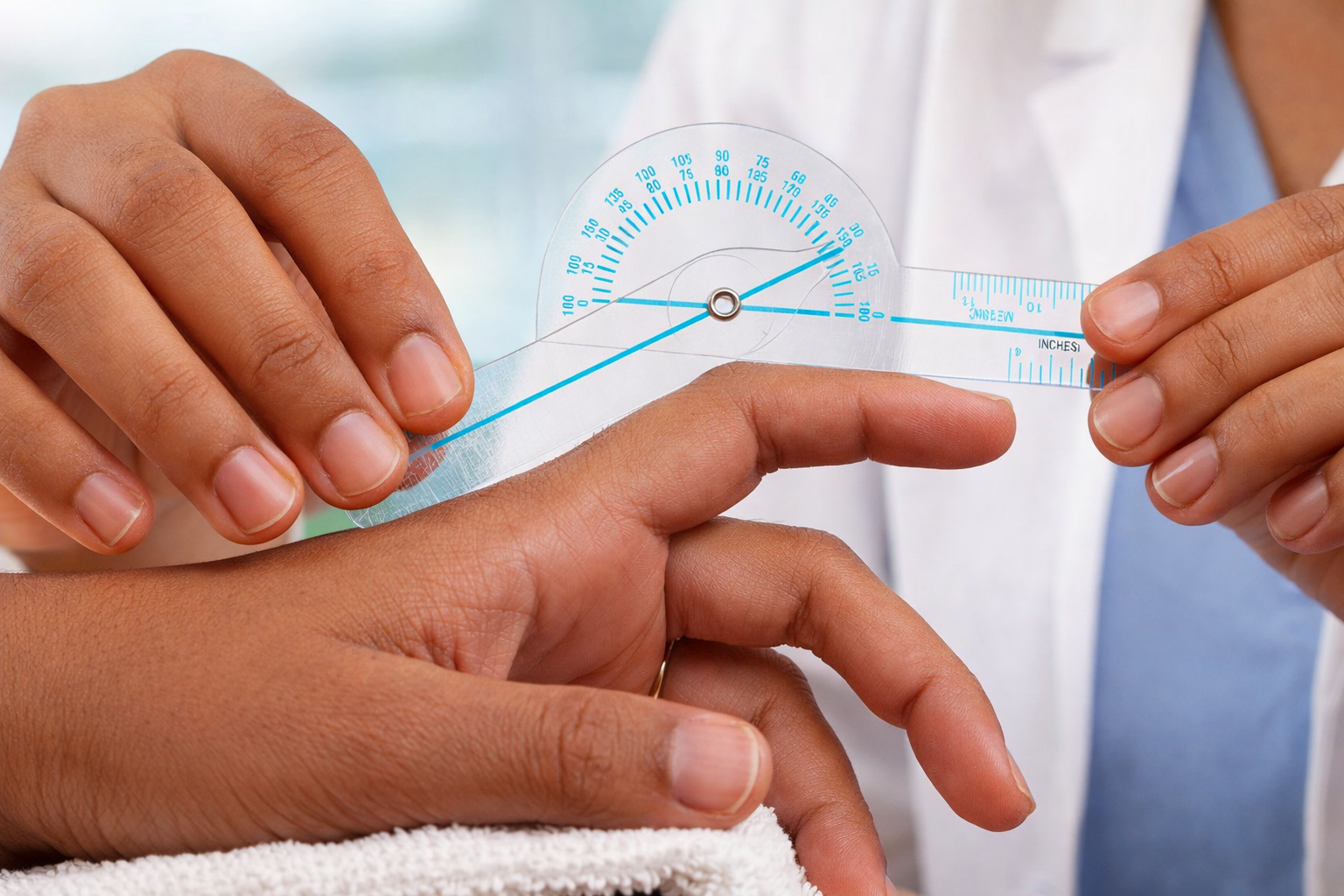
Dr. Saha approached this not by focusing on the brain's injury, but on the small, mechanical requirement of eating. He explained that for a hand to function, the wrist must be propped up in what is called a "functional position." Using a simple piece of plastic and a heat gun, he molded a custom splint right there in the room to lift the boy's wrist.
Dr. Saha noted that the 11 year long wait for independence could be over by focusing on this one specific alignment. Once the wrist was supported, the boy was able to take a spoon to his mouth for the first time. It wasn't about a perfect, medical recovery of the hand. It was about solving the "small" problem of the wrist angle so that a larger life role—being an independent eater—could finally begin.
Creating a Narrative of Change
Trust and motivation are built on these small wins. In the field of occupational therapy, professionals often refer to the "just right challenge." This means giving a patient a task that is difficult enough to be therapeutic but simple enough to be achievable.
- The Subjectivity of Success: Success must be redefined for each person. As Dr. Saha pointed out during the demonstration, "functional" might not mean using a spoon exactly like everyone else. It might mean bending the spoon in a zigzag way to match the child's unique range of motion.
- The Mother's Gut Feeling: In pediatric care, the parents' observations are vital. They are with the child 24 hours a day and can sense when a small change represents a massive step toward a long term goal.
- Neuronal Plasticity: Small, repeated functional successes actually help the brain reorganize itself. By performing a task like eating, the patient is not just moving a muscle; they are teaching their brain a new way to interact with the world.
Redefining Success
Success in recovery is rarely a single, explosive moment. It is a quiet accumulation of small victories. It is the first time a grandmother can hold a needle to sew, or the first time an 11 year old boy reaches his own mouth with a spoon. These moments might seem insignificant to an outsider, but to the family involved, they are the very definition of independence.
By focusing on the small things, occupational therapists ensure that therapy is grounded in reality. They remind us that while we cannot always control the big events of our lives, we can often reclaim the small rhythms that make life worth living. It is through these tiny, functional gains that the human spirit finds its way back to full participation in the world.
Source Credit
Case study and clinical demonstration provided by Dr. Shovan Saha during the "Designing of Low-Tech Assistive Devices" session, courtesy of the IITM Research Park. All rights to the original video content and demonstration belong to the IITM Research Park.