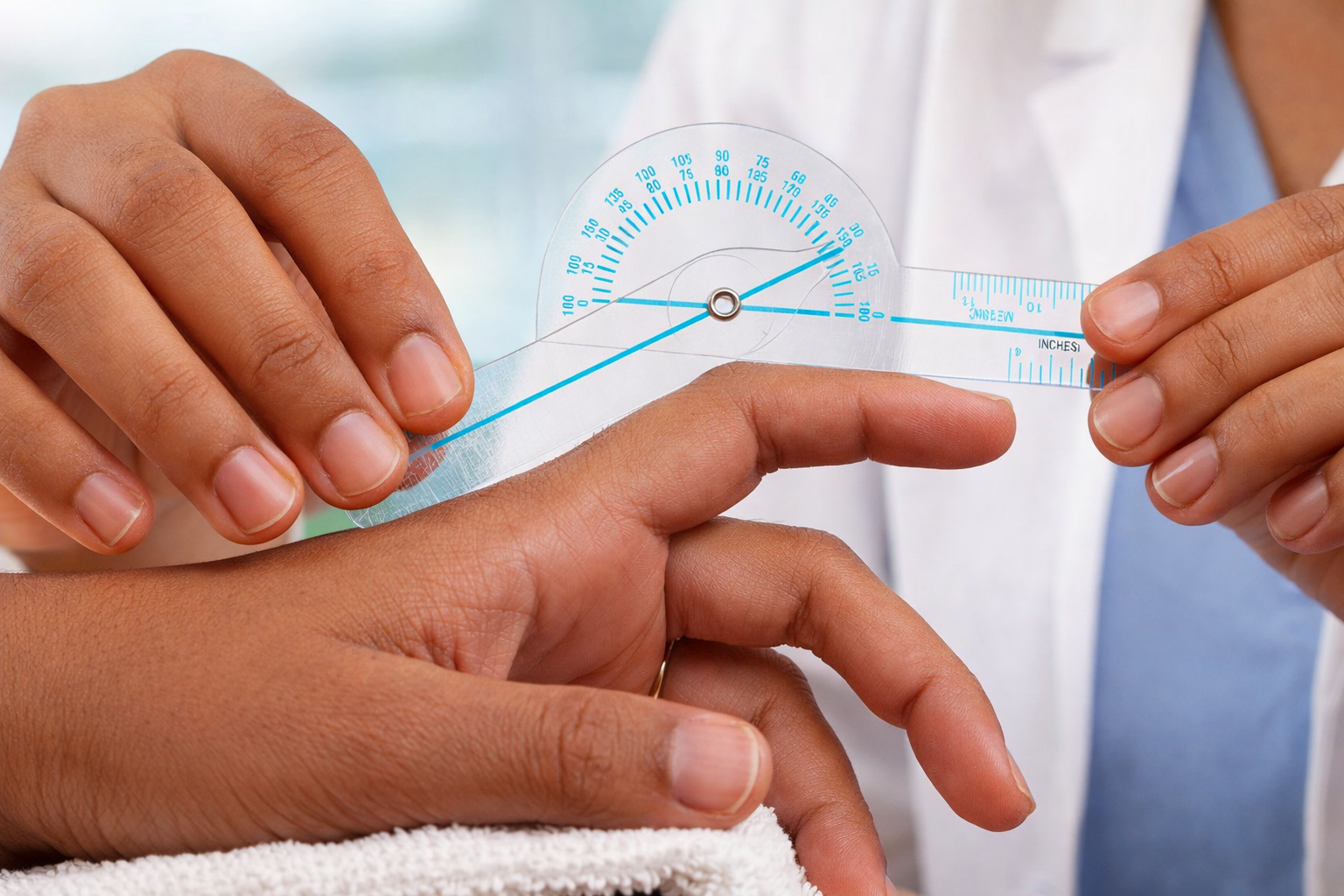
The human hand is an essential tool, integral to nearly every daily activity. Whether we are typing, eating, or holding a loved one's hand, the loss of hand function can drastically affect a person's quality of life. Hand therapy, a specialized branch of occupational therapy, focuses on restoring the function of the hand to its fullest capacity, improving dexterity, and ultimately enhancing a patient's independence and well-being.
What is Hand Therapy?
Hand therapy is a field of occupational therapy that deals specifically with rehabilitation of the hands and upper extremities. It focuses on improving function, whether the goal is to regain the ability to perform basic tasks like writing, using utensils, or to assist with complex movements required for work or hobbies. Hand therapy is essential for patients recovering from injuries, surgeries, or conditions like arthritis, stroke, or amputation.
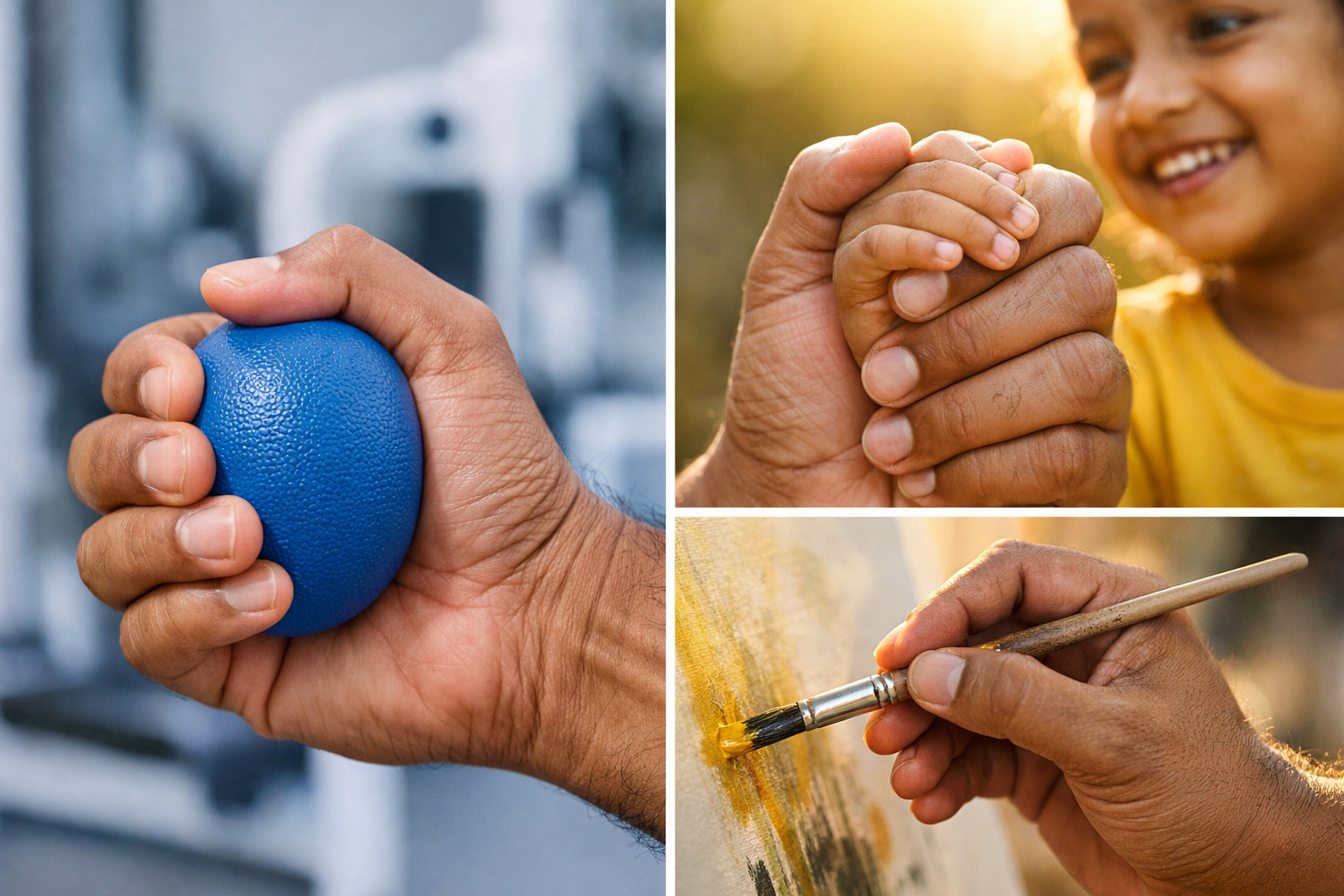
The therapy involves specialized techniques aimed at restoring the mobility, strength, and flexibility of the hand, as well as enhancing fine motor skills. The interventions range from exercises to manual therapy, splinting, and education on adapting daily routines.
Why Hand Therapy Matters
While the focus of many rehabilitation therapies is on larger muscle groups and broader movement patterns, hand therapy targets the delicate, precise movements that are crucial for independence. For people recovering from hand injuries, even the smallest gains in functionality can dramatically improve their daily lives.
This is especially important in cases of work-related injuries. For example, people in professions like carpentry, nursing, or office work often rely on fine motor skills for their daily tasks. For those with amputations or neurological conditions, hand therapy can be the key to retraining the brain and restoring function, allowing them to regain activities they once took for granted.
Real-Life Impact: Restoring Function After Trauma
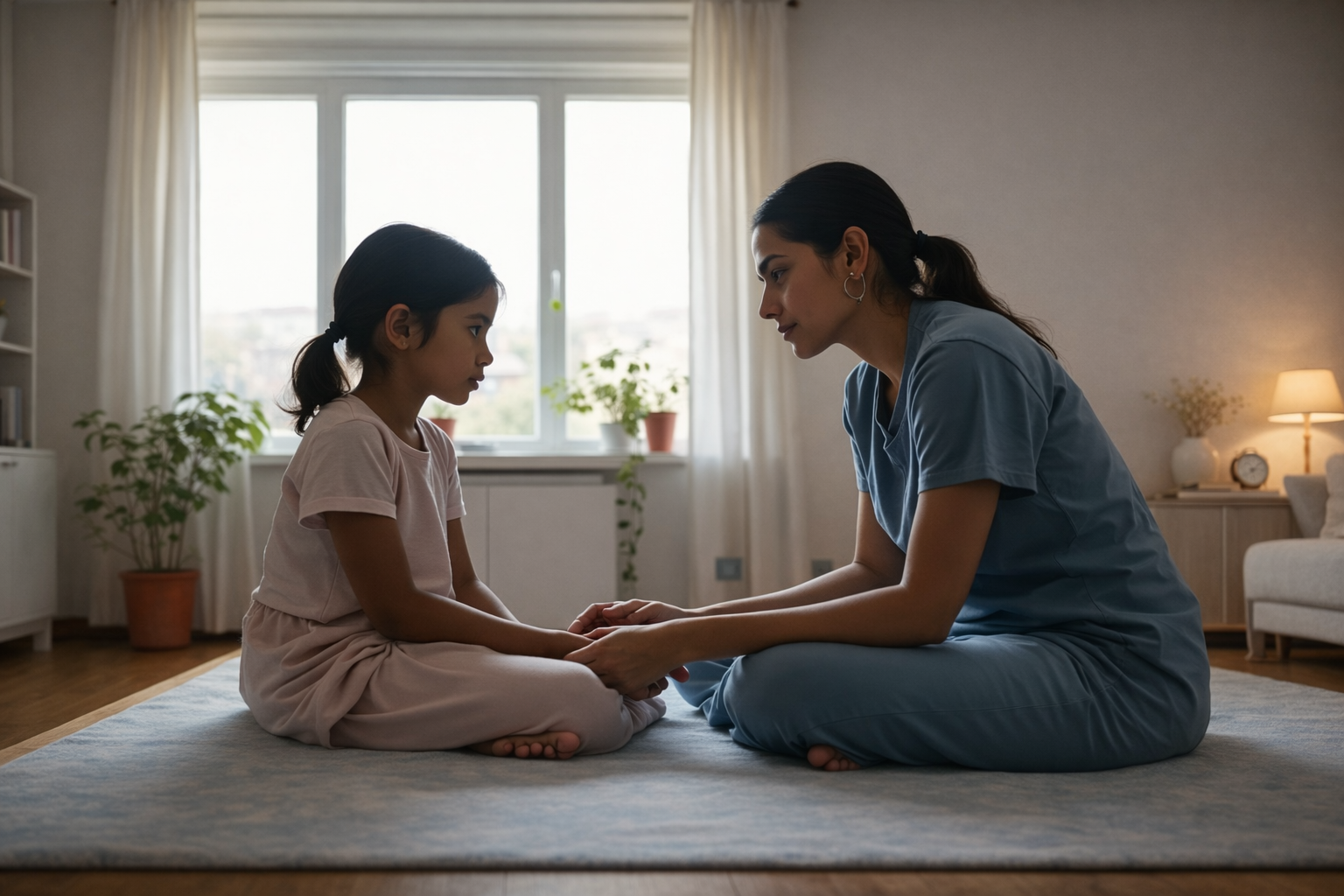
One of the most powerful demonstrations of the importance of hand therapy comes from a case where a young girl suffering from infantile hemiplegia came to Dr. Shovan Saha’s clinic. This condition, a type of cerebral palsy caused by a brain injury before or during birth, had left her with limited use of one side of her body, including her hand.
The girl's mother wanted Dr. Saha to straighten her hand to make it more aesthetically pleasing, believing that this would improve her chances of getting married. Dr. Saha, after assessing the situation and understanding the child's true goals, realized that the girl was not focused on appearance. Instead, the girl wanted to become more functional in daily life, particularly with handling hot utensils in the kitchen.
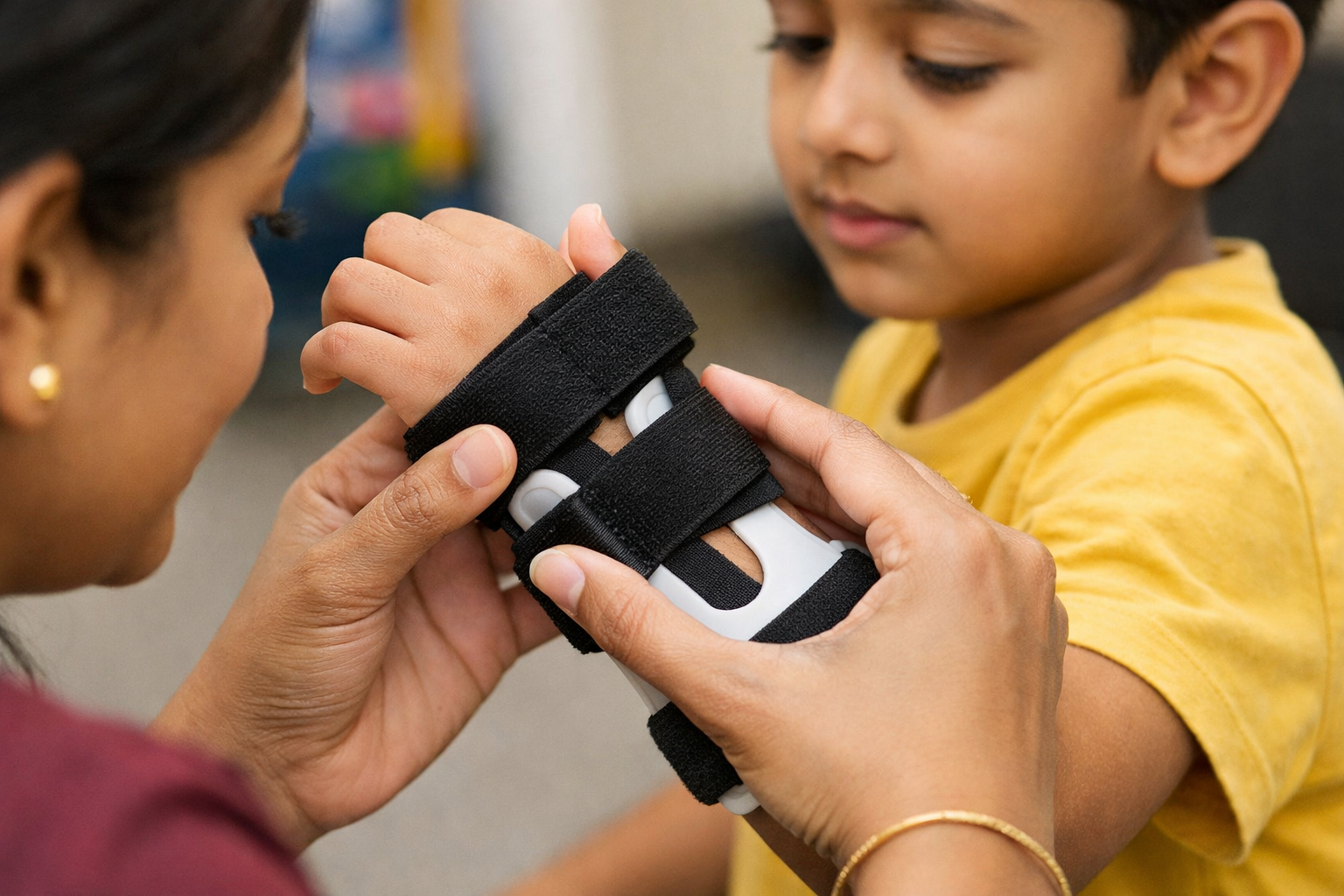
By shifting the focus from cosmetic changes to functional improvements, Dr. Saha created a customized splint to help the girl handle tasks that required the use of both hands. This was a moment of true collaboration between the patient, her family, and the therapist. By addressing the girl's functional needs—and not just her family's aesthetic desires—the therapy plan led to tangible improvements in her life.
This story highlights how hand therapy is not just about physical restoration. It is about empowering patients to regain independence and control over their lives, even when they face complex neurological challenges.
The Role of the Occupational Therapist
Hand therapy involves a combination of treatment techniques, each tailored to the specific injury or condition of the patient. It is the role of the occupational therapist to assess the patient's needs, identify their goals, and create a personalized treatment plan. This may involve:
- Strengthening exercises to regain mobility and dexterity.
- Splinting and bracing to support recovery and prevent further injury.
- Functional training to help patients learn how to adapt to daily tasks.
- Pain management techniques to improve comfort and function.
Challenges and Advances in Hand Therapy
Hand therapy presents its own unique set of challenges. Unlike other rehabilitation therapies that may focus on larger body parts or less complex movements, hand therapy deals with the intricate interplay of joints, muscles, and nerves in a small and highly functional area. Each muscle group and tendon in the hand is essential for even the simplest tasks, and restoring full function can take considerable time and effort.
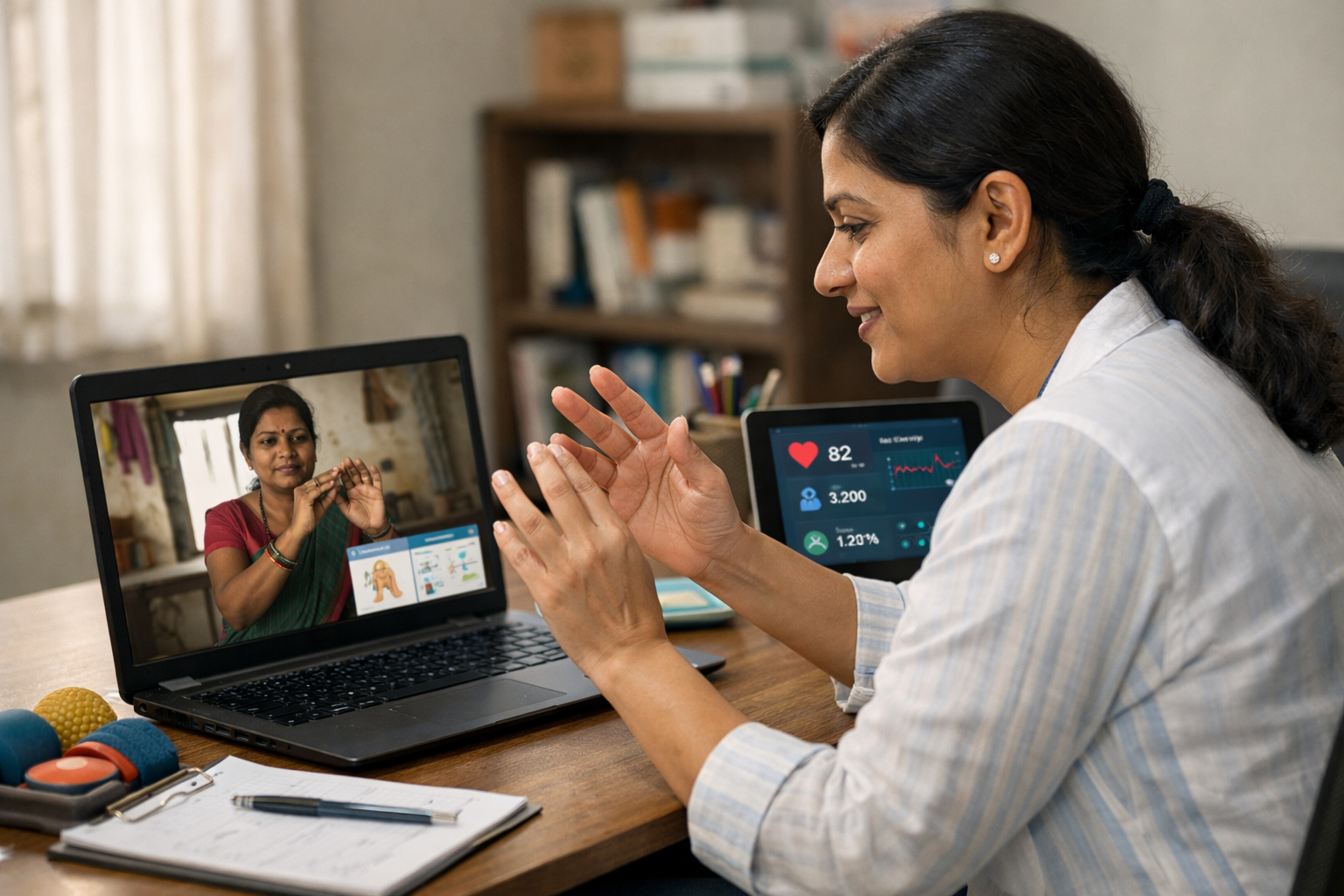
Recent advancements, such as the use of adaptive technologies and virtual therapy programs, are helping hand therapists provide better and more accessible care to patients. With the use of telehealth, therapists can guide patients through exercises and provide consultations remotely, making therapy more accessible, particularly for patients in remote or underserved areas.
The Road Ahead for Hand Therapy in India
India's growing healthcare needs and its aging population are contributing to an increased demand for specialized therapies, including hand therapy. As the field of occupational therapy gains recognition in India, hand therapy will continue to play an essential role in helping patients overcome barriers to function. With more awareness about the critical role OT plays in rehabilitation, especially in the context of workplace injuries, arthritis, and post-surgery recovery, the field is positioned for significant growth.
As the profession grows, so will the opportunity for hand therapists to showcase their skills and help improve the lives of thousands who depend on their hands for daily living. The ability to restore these essential functions is not only a matter of physical recovery but a step towards empowerment and independence for many.
Conclusion
Hand therapy is a vital and specialized field within occupational therapy that makes a tangible difference in patients' lives. By focusing on restoring function, improving dexterity, and promoting independence, hand therapy offers patients a chance to regain their most essential tool—their hands. With continued growth in both awareness and technology, hand therapy will remain a cornerstone of rehabilitation, helping people all over India and the world recover, adapt, and thrive.